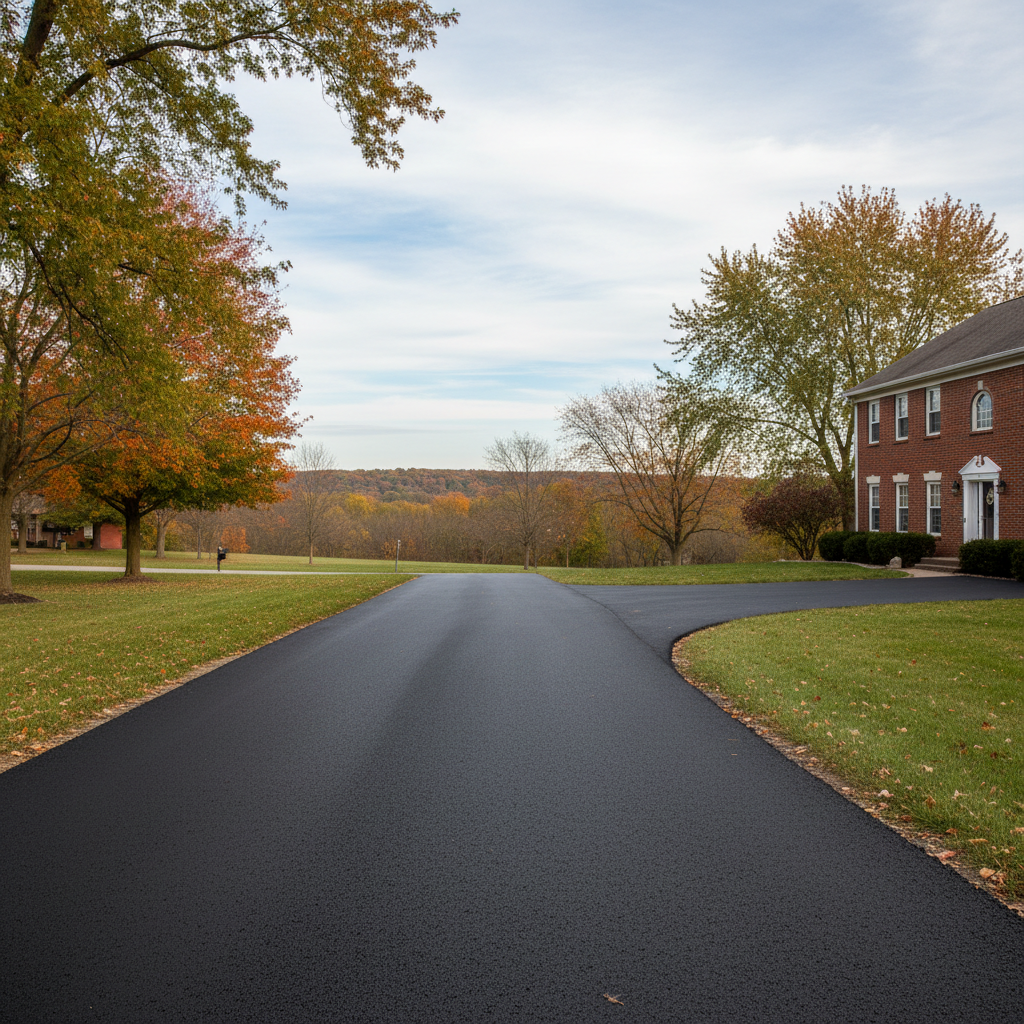
When's the best time to get your driveway looked at? That's a question I get a lot, especially living here in Michigan City, Indiana. We all know our weather isn't exactly gentle on anything outside, and your asphalt driveway is no exception. Getting the timing right for repairs, sealcoating, or even a brand new installation can make a huge difference in how long it lasts and, let's be honest, how good it looks.
Understanding Michigan City's Seasons and Your Asphalt
Our climate here in Northwest Indiana really throws a lot at asphalt. We've got those brutal winters with freezing and thawing cycles, heavy snow, and then the hot, humid summers. All that expansion and contraction is tough on the pavement. It's why I always tell folks that proactive maintenance isn't just a suggestion; it's practically a necessity if you want to avoid bigger, more expensive problems down the road.
The key to successful asphalt work, whether it's a small patch or a full overlay, really comes down to temperature and moisture. You just can't lay asphalt or sealcoat in any old conditions and expect it to cure properly and bond right. It simply won't hold up.
When to Schedule: The Sweet Spot for Asphalt Work
For most asphalt jobs – new installations, overlays, and even major patching – you're looking at a window that generally runs from late spring through early fall. Think May, June, July, August, and September. Here's why:
- Warm Temperatures: Asphalt needs warm temperatures to be workable and to cure correctly. When we're laying down hot mix asphalt, it needs to stay hot enough during the paving process so we can compact it properly. For sealcoating, the material needs consistent warm temperatures to dry and bond effectively to your existing pavement. If it's too cold, it won't cure right, and you'll end up with a weak, brittle surface that won't last.
- Dry Conditions: Moisture is the enemy of fresh asphalt work. You can't pave on wet ground, and you certainly can't sealcoat a wet driveway. Rain, or even high humidity, can mess with the curing process, leading to adhesion issues and a shorter lifespan for the product. That's why those dry stretches we get in summer are ideal.
- Consistent Temps: Those wild temperature swings we sometimes get in early spring or late fall? Not great for asphalt. Asphalt likes consistency. A steady string of days above 50°F, and ideally above 60°F for sealcoating, is what we're looking for.
So, if you're thinking about a new driveway or a big repair, start planning in the spring. Get on the schedule for those prime summer months. For sealcoating, it's the same deal. You want those warm, dry days for the best results, don't you?
What About Winter?
Winter in Michigan City, especially with those lake effect snows and icy conditions, is definitely not the time for major asphalt projects. The ground freezes, the temperatures are too low for materials to cure, and frankly, it's just not practical. However, if you have a dangerous pothole pop up in January, we can sometimes do temporary cold patch repairs. These aren't meant to be permanent fixes, but they can get you through the winter safely until warmer weather allows for a proper, lasting repair.
Protecting Your Investment Year-Round
Once you've got that fresh asphalt, you want to keep it looking good and lasting long. Here are a few things you can do:
- Keep it Clean: Sweep off dirt, leaves, and debris regularly. Don't let puddles sit for long periods.
- Watch for Cracks: Small cracks can turn into big problems fast, especially with our freeze-thaw cycles. Water gets in, freezes, expands, and then you've got a pothole. Get those cracks filled as soon as you see them.
- Sealcoat Regularly: This is huge. Sealcoating every 2-3 years protects your asphalt from UV rays, water penetration, and oil spills. It's like sunscreen for your driveway. It's the best preventative maintenance you can do.
- Proper Drainage: Make sure water isn't pooling on your driveway. If it is, that's a sign of a drainage issue that needs to be addressed.
- Avoid Heavy Loads: Try not to park heavy equipment or vehicles on your residential driveway for extended periods. It can cause depressions and cracks over time.
We've seen it all here in Michigan City, from driveways in the historic Garden City neighborhood holding up great for decades with proper care, to newer ones failing prematurely because they weren't maintained or installed at the right time. Getting the timing right for your asphalt work is just as important as the quality of the materials and the crew doing the job.
If you've got questions about your driveway or need to schedule some work, give us a call at Oasis Asphalt Solutions. We're always happy to talk through your options and get you on the schedule for when the weather's just right.